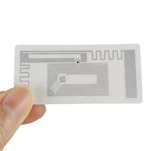
RFID technology is revolutionizing the way tires are tracked, identified, and managed throughout their lifecycle. From manufacturing and warehousing to fleet operations and after-sales service, RFID on tires enables precise data collection, real-time visibility, and efficient asset control.

Steps on How to Implement RFID on Tires
1. Choose the Right RFID Tags
Tire-specific RFID tags must be durable, heat-resistant, and able to withstand pressure and movement. Common tag types include:
Embedded tags: installed inside the tire during the vulcanization process (for tire manufacturers)
Patch tags: attached to the inner liner using special adhesives (for the aftermarket)
Note: Tags are recommended to comply with the UHF (ISO18000-6C / EPC Gen2) standard to ensure a long read distance and compatibility with standard readers.
2. Choose Compatible RFID Readers and Software
Use handheld readers or fixed readers at key inspection points (e.g. tire inspection stations, loading docks). Backend software should support: EPC code decoding, tire ID assignment and data storage, integration with ERP, WMS or fleet management platforms, etc.
3. Tag encoding
Assign a unique ID to each tag and associate it with key tire data: brand, size, serial number, production batch and service history.
4. Tag sticking and testing
For stick-on installation, surface cleaning, adhesive application and curing time are critical. After installation, test the read range and tag orientation to ensure reliability - even on mounted or moving tires.
1. Choose the Right RFID Tags
If you are exploring RFID-based tire solutions, XMINNOV can provide a full range of high-durability tire RFID tags, readers and integration services tailored for automotive and industrial needs.