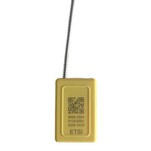
Outdoor Durability of RFID Wire Seals UV Water Corrosion
Outdoor deployments are where many seal programs break down. A seal might work perfectly in a warehouse, but fail after weeks in sunlight, rain, humidity, or coastal corrosion. When that happens, the security workflow collapses: markings become unreadable, lock bodies degrade, wires corrode, and inspections become unreliable.
This guide explains how to evaluate outdoor durability for RFID wire seals, what materials and tests matter, and how to design an outdoor sealing program that stays stable over time.
1) Why Outdoor Conditions Are a High-Risk Environment
Outdoor sealing points are common in:
utility meter boxes
telecom street cabinets
industrial control panels
port and yard facilities
outdoor warehouse cages
construction and infrastructure sites
These environments expose seals to:
UV radiation (sunlight aging)
water and humidity (rain, condensation, fog)
temperature cycling (hot daytime, cold nights)
corrosion (coastal salt spray, industrial chemical air)
dirt and abrasion (dust, handling, equipment contact)
Outdoor durability must cover both mechanical integrity and traceability readability.
2) What "Outdoor Durable" Must Include
A truly outdoor-ready RFID wire seal should meet four durability requirements:
A) Mechanical stability
The lock body and wire must remain strong and functional after exposure.
B) Tamper evidence reliability
The seal must still show clear break evidence and resist bypass attempts even after aging.
C) Readability and marking durability
Laser marking or printed serials must remain readable for inspections and disputes.
D) RFID performance stability
The RFID component should remain readable after moisture exposure and field handling.
Outdoor durability is a system requirement, not a single feature.
3) UV Resistance: What Buyers Should Check
UV exposure can:
fade printed markings
degrade plastic lock bodies
make plastic brittle over time
Buyer checks:
prefer laser marking over low-grade ink printing for outdoor use
ask suppliers about UV-stabilized materials for lock bodies
validate readability after exposure periods in your environment
If your program depends on long outdoor cycles, marking durability becomes just as important as wire strength.
4) Water and Humidity Resistance
Outdoor seals face:
rain
condensation inside cabinets
high humidity in coastal areas
seasonal wet environments
Buyer checks:
lock body should resist water ingress and physical degradation
marking should not smear or detach
wire coating should resist rust
If seals are used in damp meter boxes or roadside cabinets, moisture control is critical.
5) Corrosion Resistance: Coastal and Industrial Sites
Corrosion risk is high in:
ports and coastal cities
chemical industrial zones
wastewater and utility sites
Buyer checks:
select wire material/coating suitable for corrosion zones
confirm lock body resistance to corrosion-related weakening
test seals on-site if possible for realistic exposure
A seal that becomes rusty or weak creates both security risk and operational waste.
6) Temperature Cycling and Material Fatigue
Outdoor environments constantly cycle temperature. This can cause:
brittleness in plastics
changes in lock tolerance
reduced durability under vibration
Buyer checks:
validate lock performance after repeated temperature cycles
confirm stable function when operators wear gloves in cold conditions
ensure seals do not crack during long exposure
Temperature cycling is often more damaging than a single "low temperature" test.
7) Best Practices for Outdoor RFID Wire Seal Programs
A) Choose the right marking strategy
use durable laser marking
ensure printed serials remain readable long-term
keep marking content clear and not overly small
B) Standardize inspection frequency
Outdoor environments require regular integrity checks to catch issues early.
C) Use controlled SOP for replacement
If seals are replaced due to aging or maintenance:
document replacement event
link old/new seal IDs
keep mapping files for audit continuity
D) Pilot testing before scaling
Outdoor pilots should test:
sunlight exposure
rainy conditions
corrosion zones
real operator handling
8) Procurement Checklist for Outdoor Deployments
Before ordering, confirm:
wire material and corrosion resistance level
lock body UV stability
marking durability (prefer laser)
stable RFID readability after moisture exposure
batch mapping files for traceability
consistent QC and stable supply
If your project is coastal or heavily industrial, ask for samples and perform on-site validation.

RFID wire seals Design Factory in China
Need outdoor-durable RFID wire seals for UV, water, and corrosion environments? Share your deployment location type (coastal, industrial, roadside), cabinet or sealing point, and inspection workflow. We can recommend suitable wire seal options, provide pilot samples, and support serialized bulk supply with batch ID mapping files.
FAQ
1) Will outdoor UV exposure damage RFID wire seals?
UV can degrade plastics and fade markings over time. UV-stabilized materials and laser marking improve durability.
2) Are RFID wire seals waterproof?
Many are moisture-resistant, but performance depends on design. Always validate in real field conditions.
3) What is the most common outdoor failure?
Marking fade and corrosion-related weakness are common failures in long-term outdoor exposure.
4) Should we use laser marking for outdoor programs?
Yes. Laser marking generally lasts longer than standard printing for outdoor inspections.
5) How do we handle seals replaced during maintenance?
Use a controlled replacement SOP and link old/new seal IDs to maintain audit continuity.