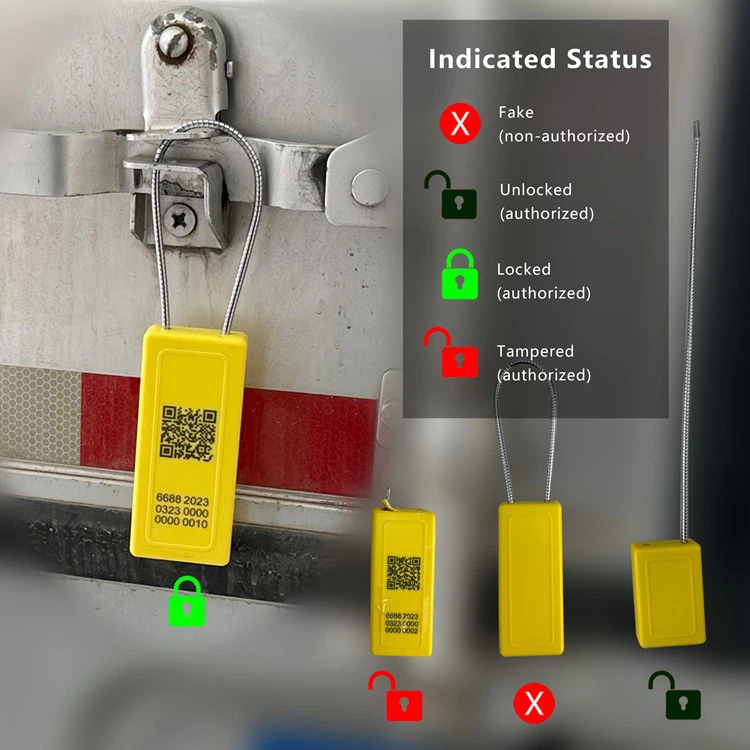
RFID tags are widely used in retail, logistics, library, and industrial applications for tracking, identification, and inventory management. However, a common question asked by consumers and businesses alike is: Can RFID tags set off alarms? The answer depends largely on the type of RFID system being used and the environment in which the tags are being used.
In many retail environments, especially clothing, book, and electronics stores, RFID tags can be integrated with electronic article surveillance (EAS) systems. These RFID-based tags are designed to set off alarms when merchandise is taken out of a store without being checked out, and the alarms are typically triggered by RFID readers or access antennas placed at store entrances and exits that scan any RFID tags passing through the monitored area.
Unlike traditional EAS tags, RFID tags provide both identification and security functions. When properly configured, RFID tags can store product information, track in-store movement, and alert staff in the event of unauthorized removal. Retailers can not only reduce shrinkage (losses due to theft), but also improve inventory visibility in real time.
However, not all RFID tags are designed to trigger alarms, these passive tags are intended for data collection and traceability. Similarly, RFID cards used for access control or transportation cards (such as subway cards) will not trigger alarms under normal circumstances unless integrated with specific access management protocols.
In addition, cash registers often have deactivation or removal mechanisms to ensure that legitimate purchases do not trigger false alarms. Some RFID tags are designed to be deactivated or overwritten after scanning, while others are physically removed or destroyed.