Industrial Asset Management
RFID Smart Label On-metal is carefully designed to provide reliable performance even on metal surfaces. These UHF RFID tags use advanced M781 chips, support ISO18000-6C GEN2 V2 protocol, provide longer reading range and larger user memory, and adopt tamper-proof design. RFID Smart Label On-metal is very suitable for the metal industry that requires RFID identification.
-
Applications
- Asset management: Anti-metal RFID tags are often used to manage high-value metal assets. By assigning RFID tags to each asset, inventory and warehouse management can be achieved.
Industrial management: Anti-metal tags are suitable for data recording and tracking on molds or metal containers. Even in environments such as industrial workshops, they can still maintain stable recognition performance.
Power management: RFID tags can be used for equipment identification and maintenance records, effectively improving the intelligence level and safety of power companies. -
Technical Specifications
| Tag Dimension | 80 x 40 x 1.2 mm |
| Chip | M781 (ISO18000-6C GEN2 V2) |
| Memory | TID/UID: 96 bits, EPC: 128 bits, User: 512 bits, Reserve: 32-bit access & kill |
| Operating Frequency | 920.5 – 924.5 MHz |
| FaceStock / Housing | Printable White PET |
| Reading Range | Up to 500 cm on metal (reader dependent) |
| Installation | Adhesive Backed |
| Characteristic | On Metal Use / Tamper Proof |
| Customization Options | Barcode printing, laser engraving, personalization, encoding |
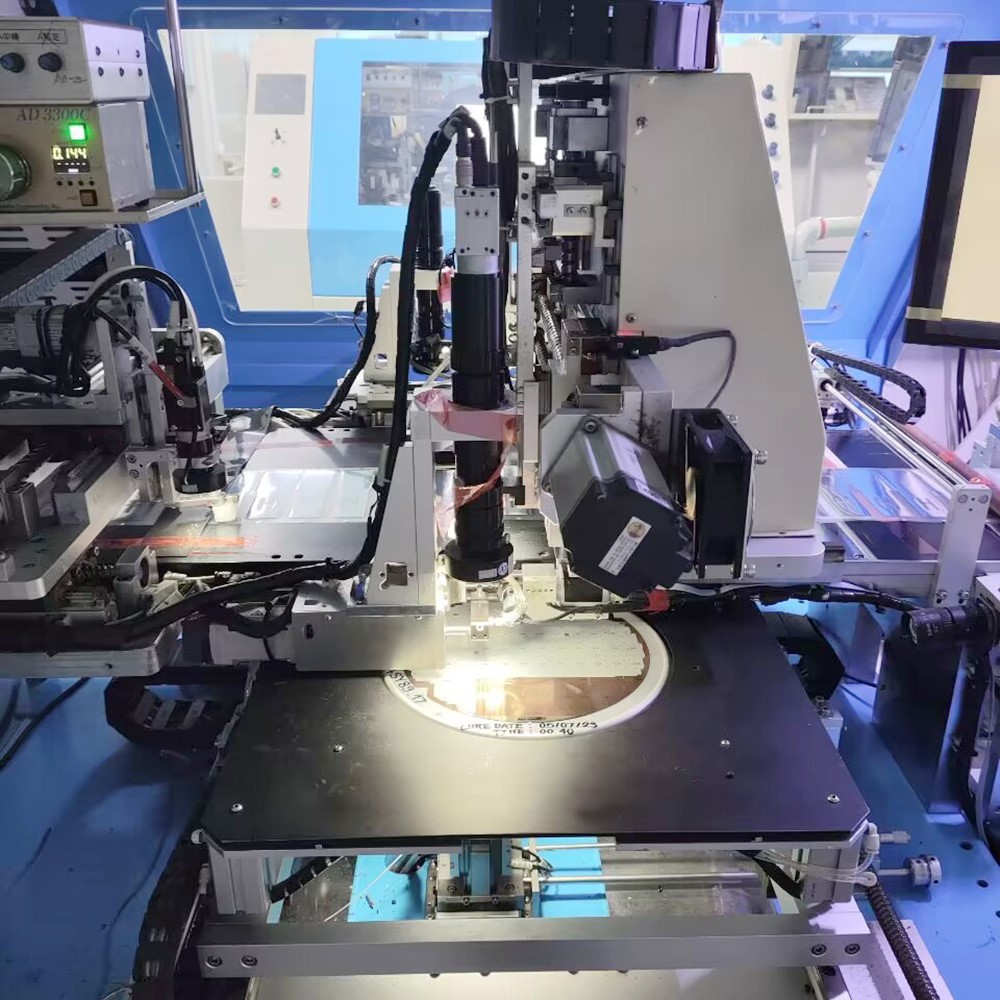
| Production Capacity | Up to 1 million tags/day |
Frequently Asked Questions
Q1: What is an RFID anti-metal tag?
A1: An RFID anti-metal tag is an RFID tag designed for metal surfaces. It uses a special structural design to avoid metal interference with RFID signals and achieve stable identification and reading performance.
Q2: Why can't ordinary RFID tags be directly attached to metal?
A2: When ordinary RFID tags are attached to metal surfaces, they will be affected by metal reflection and absorption, resulting in signal failure or a significant reduction in reading distance. Anti-metal tags can effectively offset these interferences.
Q3: In which scenarios are anti-metal tags suitable for application?
A3: Mainly used for equipment or assets that need to be attached to metal materials, such as: IT equipment, mold management, tool tracking, cabinet management, pipeline identification, power facilities, etc.
Q4: Will the reading distance of anti-metal tags be affected by the type of metal?
A4: There will be a certain impact. Different metal materials have different degrees of reflection and absorption of RFID signals, but high-quality anti-metal tags can maintain good performance in most metal environments.
Q5: Can anti-metal tags be used in outdoor environments?
A5: Yes. Most anti-metal tags have industrial-grade protection levels (such as IP65, IP67), are resistant to high temperatures, corrosion, and UV rays, and are suitable for various harsh environments.
Q6: Do you support customized anti-metal tag sizes or frequency bands?
A6: Yes. We support customized tag sizes, installation methods (screws, adhesives, magnetic suction), and frequency bands (such as UHF, HF, etc.) according to customer needs.
Q7: What precautions should be taken when installing anti-metal tags?
A7: Make sure that the tag is firmly attached to the metal surface to avoid bending, loosening, or falling off, and select the appropriate installation method and reader parameter configuration according to the application.

Hot Tags: rfid smart label on-metal, China rfid smart label on-metal manufacturers, suppliers, factory, metal equipment tag, metal information tag, metal name tag, metal serial number tag, on metal car tag, on metal gear tag