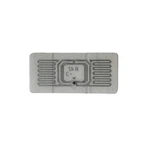
With the continuous advancement of the Internet of Things and digital transformation, RFID (Radio Frequency Identification) technology is increasingly permeating our daily lives and business operations. Many people wonder: Who exactly is using RFID technology? In fact, RFID has a wide range of applications, from retail and manufacturing to logistics, healthcare, and public transportation.

Retailers can use RFID to improve inventory management efficiency, enabling rapid inventory counting and tracking, and avoiding the risk of stockouts and unsold goods.
Logistics companies use RFID to monitor pallets and boxes, making the supply chain more transparent and efficient.
In manufacturing, RFID tags help companies track the flow of parts, ensuring traceability throughout the production process and improving quality management.
The healthcare industry is also a major user of RFID. Hospitals use RFID to track medications, medical devices, and patient identities, improving management efficiency and ensuring medical safety.
RFID is also present in public services: ETC systems and toll collection systems on highways, electronic tickets for subways and buses, and even automatic identification systems in smart parking lots all rely on this technology.
From a business perspective, the fundamental purpose of purchasing and deploying RFID solutions is to improve operational efficiency, reduce costs, and enhance management visibility. It can be said that RFID is becoming a powerful assistant for retailers, manufacturers, logistics companies, medical institutions and public service departments to achieve digital upgrades.