

In recent years, the integration of advanced technologies into museum operations has become a trend, enhancing visitor experiences and streamlining management processes. Among these technologies, Near Field Communication (NFC) has emerged as a promising tool. As a supplier of Wireless NFC Readers, I am frequently asked whether these devices can be effectively used in museum applications. This blog post aims to explore the potential of Wireless NFC Readers in the museum setting, analyzing their feasibility, benefits, and challenges.
How NFC Works in the Museum Context
NFC is a short - range high - frequency wireless communication technology that enables data exchange between devices over a distance of a few centimeters. In a museum, a Wireless NFC Reader can interact with NFC - enabled tags, which are small, inexpensive chips that can be attached to exhibits. When a visitor with an NFC - enabled smartphone or a dedicated NFC device approaches an exhibit with an NFC tag, the Wireless NFC Reader can read the tag's information and transmit it to the visitor's device.
Benefits of Using Wireless NFC Readers in Museums
Enhanced Visitor Engagement
One of the primary advantages of Wireless NFC Readers in museums is the ability to enhance visitor engagement. Traditional museum visits often involve simply looking at exhibits and reading static labels. With NFC technology, museums can offer a more immersive experience. For example, a short audio description, a detailed video about the creation process, or additional historical facts can be stored on the NFC tags. When visitors scan the tags using their smartphones, they can access this rich content, making the visit more educational and entertaining. This interactive approach caters to different learning styles, appealing to a wider range of visitors, including younger generations who are more tech - savvy.
Improved Accessibility
Wireless NFC Readers can also improve the accessibility of museum exhibits. For visitors with visual impairments, audio descriptions stored on NFC tags can provide a detailed understanding of the exhibits. Similarly, multilingual content can be made available on the tags, allowing international visitors to access information in their native languages. This inclusivity not only makes the museum more welcoming but also aligns with the principles of universal design.

Efficient Data Collection
From a museum management perspective, Wireless NFC Readers can facilitate efficient data collection. By tracking which exhibits are being scanned and how often, museums can gain valuable insights into visitor preferences. This data can inform decisions regarding exhibit placement, future acquisitions, and the development of new educational programs. For example, if a particular exhibit receives a high number of scans, the museum may consider expanding its collection in that area or creating special events related to it.
Real - World Applications
There are already several successful examples of museums using NFC technology. For instance, some art museums have placed NFC tags next to paintings. When visitors scan the tags, they can access information about the artist, the painting's historical context, and even compare it with other works in the collection. In history museums, NFC - enabled artifacts can provide detailed accounts of their discovery, use, and significance over time.
Complementary Products in the RFID Ecosystem
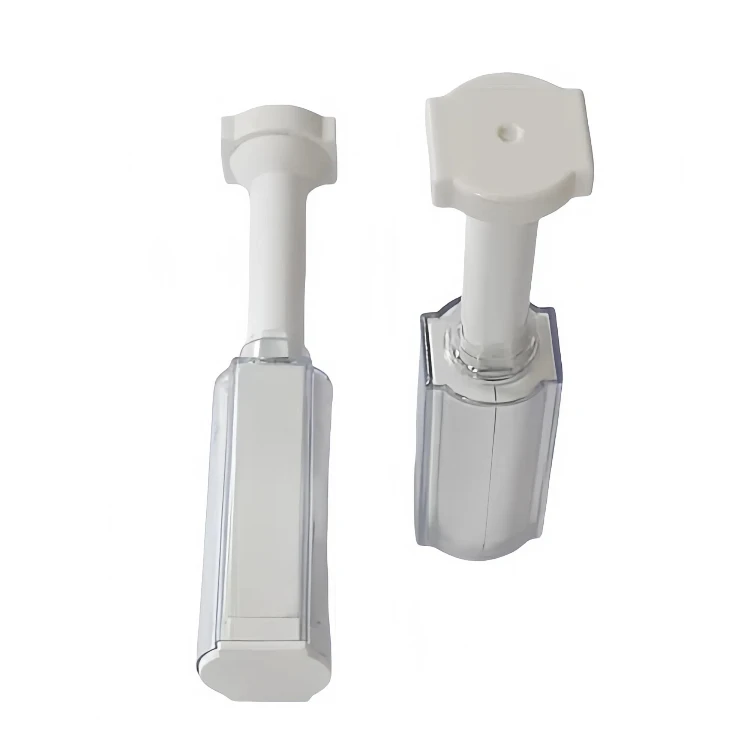
In addition to Wireless NFC Readers, other RFID - related products can also play a role in museum security and management. For example, the Bolt RFID Seal can be used to secure valuable exhibits. These seals can be attached to display cases or storage containers, and any unauthorized tampering can be detected and logged. The RFID Seal For Container Tag is another useful product. It can be used to track the movement of artifacts within the museum, ensuring that they are stored and transported safely. Similarly, the RFID Truck Seals Tag can be employed when artifacts are being moved between different locations, such as during loans or transfers.
Challenges and Considerations
Technical Compatibility
One of the challenges of implementing Wireless NFC Readers in museums is technical compatibility. Not all visitors may have NFC - enabled smartphones, and the museum may need to provide alternative ways for these visitors to access information. For example, the museum could offer dedicated NFC - enabled devices for rent. Additionally, the museum's existing infrastructure may need to be updated to support the Wireless NFC Readers, which can involve costs and potential disruptions during the installation process.
Data Security
Data security is another crucial concern. The information stored on NFC tags and transmitted through Wireless NFC Readers may include sensitive details about the exhibits, such as their historical value, provenance, and conservation status. Museums need to ensure that this data is protected from unauthorized access and manipulation. This may require implementing encryption protocols and secure data storage systems.
Maintenance and Cost
Maintaining Wireless NFC Readers and the associated NFC tags can be a challenge. The tags may need to be replaced periodically due to wear and tear, and the readers may require software updates to ensure optimal performance. There are also costs associated with purchasing the equipment, developing the content for the NFC tags, and training museum staff to use the system effectively.
Conclusion
In conclusion, Wireless NFC Readers have significant potential for use in museum applications. They can enhance visitor engagement, improve accessibility, and provide valuable data for museum management. When combined with other RFID - related products like Bolt RFID Seal, RFID Seal For Container Tag, and RFID Truck Seals Tag, they can also contribute to the security and efficient management of museum collections.
However, museums need to carefully consider the challenges, including technical compatibility, data security, and maintenance costs, before implementing this technology. As a Wireless NFC Reader supplier, I am committed to working with museums to overcome these challenges and provide customized solutions that meet their specific needs.
If you are a museum operator or an institution interested in enhancing your visitor experience and management processes with Wireless NFC Readers and related RFID products, I encourage you to contact me to discuss how we can collaborate. Our team of experts can provide in - depth consultations, product demonstrations, and tailored solutions to fit your requirements.
References
- Kidd, C. D., Orr, R., Abowd, G. D., Atkeson, C. G., Essa, I., MacIntyre, B., & Mynatt, E. D. (1999). The Aware Home: A Living Laboratory for Ubiquitous Computing Research. In Cooperative Buildings: Integrating Information, Organization, and Architecture (pp. 191 - 207).
- Want, R., Hopper, A., Falcão, V., & Gibbons, J. (1992). The active badge location system. ACM Transactions on Information Systems (TOIS), 10(1), 91 - 102.
- Weiser, M. (1991). The computer for the 21st century. Scientific American, 265(3), 94 - 104.


