

In the dynamic landscape of modern technology, RFID (Radio-Frequency Identification) With LED Label has emerged as a revolutionary innovation, offering a wide range of applications across various industries. As a leading supplier of RFID With LED Label, I am often asked about the read - write cycle limit of these remarkable devices. In this blog post, I will delve into the concept of read - write cycle limits, factors affecting them, and their implications for different applications.
Understanding the Read - Write Cycle Limit
The read - write cycle limit of an RFID With LED Label refers to the maximum number of times the label can be read from and written to before its performance starts to degrade significantly or it fails completely. Reading involves retrieving data stored on the label, while writing means updating or storing new data on it. This limit is a crucial parameter as it directly impacts the lifespan and usability of the RFID With LED Label in real - world scenarios.
RFID With LED Labels come in different types, such as the RFID With LED Label and the RFID UHF LED Tag. Each type has its own inherent read - write cycle capabilities, which are determined by several factors.
Factors Affecting the Read - Write Cycle Limit
1. Memory Technology
The type of memory used in the RFID With LED Label plays a significant role in determining its read - write cycle limit. There are mainly two types of memory: volatile and non - volatile. Volatile memory, such as SRAM (Static Random - Access Memory), requires a continuous power supply to retain data. However, it typically has a relatively high read - write speed but a limited number of read - write cycles.
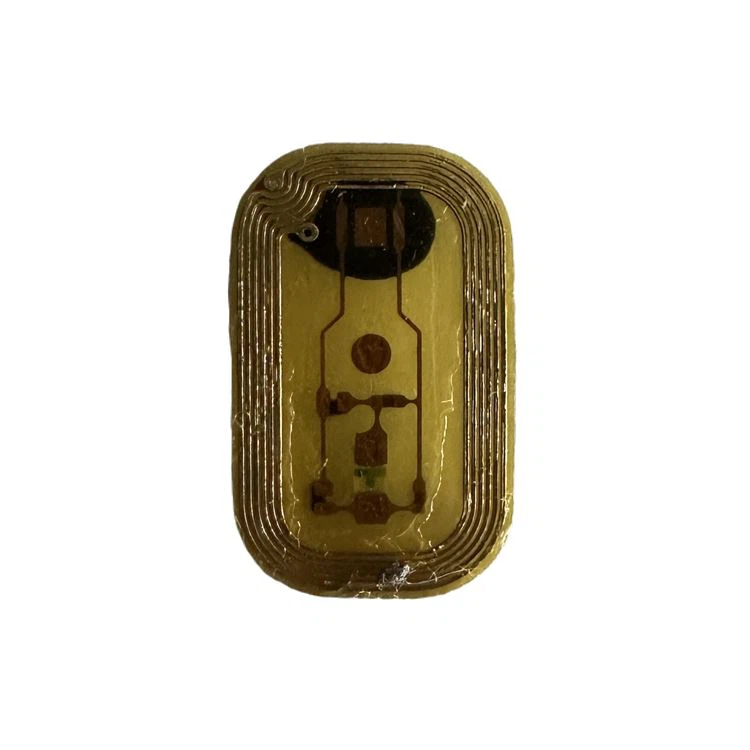
On the other hand, non - volatile memory, like EEPROM (Electrically Erasable Programmable Read - Only Memory) or Flash memory, can retain data even when the power is turned off. EEPROM generally has a read - write cycle limit in the range of 100,000 to 1 million cycles, while Flash memory can offer a higher number of cycles, sometimes up to 10 million or more. The choice of memory technology depends on the specific requirements of the application, such as data retention, write speed, and cost.
2. Electrical and Environmental Conditions
The electrical and environmental conditions in which the RFID With LED Label operates can also have a profound impact on its read - write cycle limit. High temperatures, humidity, and electrical interference can accelerate the wear and tear of the memory cells. For example, if the label is exposed to extreme heat, the electrical properties of the memory material may change, leading to a reduction in the number of reliable read - write cycles.

Similarly, exposure to static electricity or voltage spikes can cause permanent damage to the memory cells, reducing the overall read - write cycle limit. Therefore, it is essential to ensure that the RFID With LED Labels are used within the specified temperature, humidity, and electrical conditions to maximize their lifespan.
3. Write Algorithms and Protocols
The write algorithms and protocols used to update the data on the RFID With LED Label can affect the read - write cycle limit. Some algorithms may be more efficient in terms of minimizing the stress on the memory cells during the write operation. For instance, wear - leveling algorithms distribute the write operations evenly across the memory cells, preventing premature wear of specific cells.
In addition, the frequency and size of the data writes also matter. Frequent and large - scale data writes can increase the stress on the memory cells, reducing the overall read - write cycle limit. Therefore, optimizing the write algorithms and protocols can help extend the lifespan of the RFID With LED Label.
Implications for Different Applications
1. Inventory Management
In inventory management systems, RFID With LED Labels are used to track and manage products throughout the supply chain. These labels need to be read and written multiple times as the products move from the warehouse to the retail store. A high read - write cycle limit is crucial in this application to ensure that the labels can last for the entire lifecycle of the product.
For example, if a product has a long shelf life and goes through multiple inventory checks and updates, a label with a low read - write cycle limit may fail before the product is sold, leading to inaccurate inventory records. By using RFID With LED Labels with a high read - write cycle limit, businesses can improve the accuracy and efficiency of their inventory management processes.
2. Asset Tracking
Asset tracking is another area where RFID With LED Labels are widely used. These labels are attached to valuable assets, such as equipment, tools, and vehicles, to monitor their location and usage. In this application, the labels may be read and written frequently, especially when the assets are moved, maintained, or rented out.
A high read - write cycle limit ensures that the labels can withstand the repeated data updates without failing. This is particularly important for long - term asset tracking, where the labels need to provide reliable information over an extended period.
3. Event Ticketing
RFID With LED Labels are also used in event ticketing systems to provide a seamless and secure entry experience for attendees. The labels can be read at the entrance to verify the ticket validity and can also be updated with additional information, such as access to specific areas or services.
In this application, the read - write cycle limit is important because the labels may be used for multiple events or may need to be updated with new data over time. A label with a low read - write cycle limit may become unusable after a few read - write operations, causing inconvenience to the event organizers and attendees.
How Our RFID With LED Labels Perform
As a supplier of RFID With LED Labels, we understand the importance of the read - write cycle limit for our customers. Our RFID With LED Label and RFID UHF LED Tag products are designed to offer a high read - write cycle limit to meet the demands of various applications.
We use advanced memory technologies and optimized write algorithms to ensure that our labels can withstand a large number of read - write cycles without significant performance degradation. In addition, our labels are tested under various electrical and environmental conditions to ensure their reliability and durability.
Another Related Product: NFC Nail Lights
Apart from RFID With LED Labels, we also offer NFC Nail Lights. These innovative products combine the functionality of NFC (Near - Field Communication) technology with LED lights, offering a unique and interactive experience. Although NFC Nail Lights have a different application and usage pattern compared to RFID With LED Labels, they also require a certain level of reliability and performance in terms of data communication and light control.
Contact Us for Procurement
If you are interested in our RFID With LED Labels or NFC Nail Lights, we invite you to contact us for procurement and further discussions. Our team of experts is ready to assist you in choosing the right products for your specific needs and applications. Whether you are in the inventory management, asset tracking, event ticketing, or any other industry, we can provide you with high - quality solutions that meet your requirements.

References
- "RFID Handbook: Fundamentals and Applications in Contactless Smart Cards, Radio Frequency Identification and Near - Field Communication" by Klaus Finkenzeller.
- "Memory Technology Handbook" edited by Peter Van Zant.


