

In today's digital age, NFC RFID card readers have become ubiquitous, finding applications in various sectors such as access control, payment systems, and inventory management. As a leading NFC RFID card reader supplier, we understand the critical importance of securing these devices from unauthorized access. Unauthorized access not only poses a significant risk to sensitive data but also undermines the trust of end - users. In this blog, we will explore several strategies to safeguard NFC RFID card readers.
Understanding the Threat Landscape
Before delving into security measures, it is essential to understand the potential threats that NFC RFID card readers face. Attackers may attempt to intercept communication between the card and the reader, clone RFID cards, or launch denial - of - service (DoS) attacks. Malicious actors can use these methods to gain unauthorized access to restricted areas, make fraudulent payments, or disrupt business operations.
Physical Security
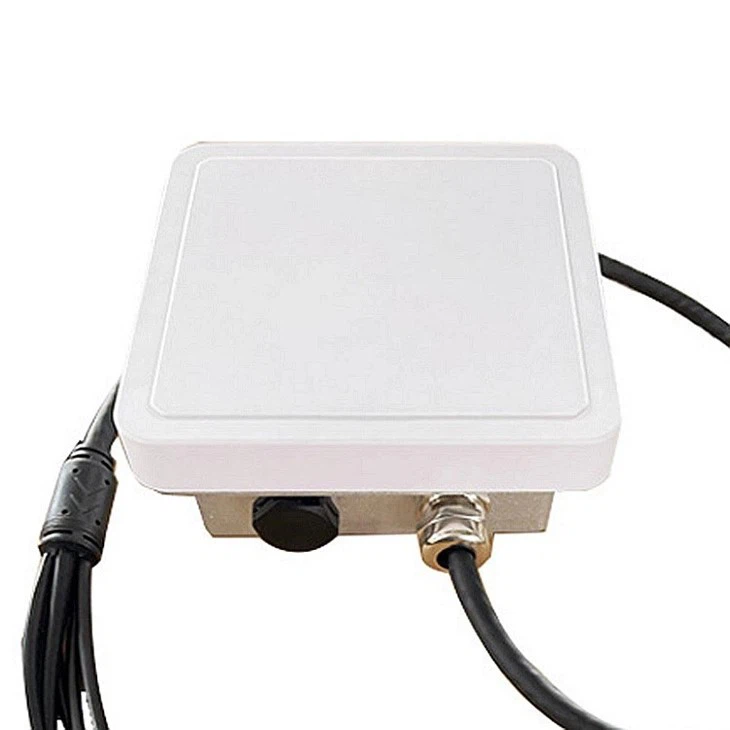
Physical security is the first line of defense for NFC RFID card readers. Ensuring that the readers are installed in secure locations is crucial. For example, in an access control system, the reader should be placed in an area that is not easily accessible to unauthorized individuals. If the reader is installed outdoors, it should be protected by a weather - resistant and tamper - proof enclosure.
Regular inspections of the physical infrastructure are also necessary. Check for any signs of damage, such as broken enclosures or loose connections, which could indicate a potential security breach. Additionally, consider installing security cameras in the vicinity of the readers to monitor any suspicious activities.
Encryption
Encryption is a fundamental security measure for protecting data transmitted between the NFC RFID card and the reader. Advanced Encryption Standard (AES) is a widely used encryption algorithm that provides a high level of security. By encrypting the data, even if an attacker manages to intercept the communication, they will not be able to decipher the information.
As a supplier, we ensure that our Mobile NFC Card Reader and Integrated Fixed RFID Reader are equipped with state - of - the - art encryption technology. This helps to protect the integrity and confidentiality of the data during transmission.
Authentication
Authentication is another key aspect of securing NFC RFID card readers. There are several authentication methods available, including password - based authentication, biometric authentication, and multi - factor authentication.
Password - based authentication requires the user to enter a password or PIN to access the system. However, this method has its limitations as passwords can be easily forgotten or stolen. Biometric authentication, such as fingerprint or facial recognition, provides a more secure alternative as it is based on unique physical characteristics of the user.
Multi - factor authentication combines two or more authentication methods to provide an extra layer of security. For example, a user may be required to present an RFID card and enter a PIN. This significantly reduces the risk of unauthorized access.
Firmware Updates
Keeping the firmware of the NFC RFID card readers up - to - date is essential for maintaining security. Firmware updates often include security patches that address known vulnerabilities. As a supplier, we regularly release firmware updates for our NFC Portable Reader and other products to ensure that they are protected against the latest threats.
It is important for our customers to establish a regular firmware update schedule. This can be automated in some cases, ensuring that the readers are always running the latest and most secure version of the firmware.
Access Control Lists (ACLs)
Access Control Lists are used to define which users or devices are allowed to access the NFC RFID card reader. By creating an ACL, you can specify the permissions and privileges of each user or device. For example, you can restrict access to certain areas or functions based on the user's role.
ACLs can be configured at the reader level or at a central management system. This allows for granular control over who can access the system and what actions they can perform.
Secure Communication Protocols
Using secure communication protocols is crucial for protecting the data transmitted between the NFC RFID card reader and the backend system. Protocols such as Transport Layer Security (TLS) provide encryption and authentication for network communication.
When implementing secure communication protocols, it is important to ensure that the certificates used for authentication are valid and up - to - date. This helps to prevent man - in - the - middle attacks where an attacker intercepts and modifies the communication between the reader and the backend system.
Employee Training
Employee training is often overlooked but is a vital part of securing NFC RFID card readers. Employees should be educated about the importance of security and the proper use of the card readers. They should be trained to recognize potential security threats, such as phishing attacks or suspicious behavior around the readers.

Regular security awareness training sessions can help to keep employees informed about the latest security best practices. This can significantly reduce the risk of human error, which is often a major cause of security breaches.
Intrusion Detection Systems (IDS)
Intrusion Detection Systems can be used to monitor the activity of the NFC RFID card readers and detect any unauthorized access attempts. An IDS can analyze the traffic patterns and identify any anomalies that may indicate a security breach.
There are two types of IDS: network - based IDS and host - based IDS. Network - based IDS monitors the network traffic for the entire system, while host - based IDS is installed on the individual readers. By implementing an IDS, you can quickly detect and respond to any security threats.
Conclusion
Securing NFC RFID card readers from unauthorized access is a multi - faceted challenge that requires a comprehensive approach. By implementing physical security measures, encryption, authentication, firmware updates, and other security strategies, we can significantly reduce the risk of security breaches.
As a trusted NFC RFID card reader supplier, we are committed to providing our customers with high - quality and secure products. Our range of Mobile NFC Card Reader, Integrated Fixed RFID Reader, and NFC Portable Reader are designed with the latest security features to meet the diverse needs of our customers.
If you are interested in learning more about our NFC RFID card readers or have any questions regarding security, we encourage you to contact us for a procurement discussion. Our team of experts is ready to assist you in finding the best solution for your security needs.
References
- "RFID Handbook: Fundamentals and Applications in Contactless Smart Cards, Radio Frequency Identification and Near - Field Communication" by Klaus Finkenzeller.
- "Security in RFID Systems" by Sushil Jajodia and Anil K. Jain.
- Industry reports on NFC RFID security trends.


