

In the modern era, waste management has emerged as a critical global challenge. With the ever - increasing volume of waste generated, the need for efficient, transparent, and accountable waste tracking systems has become more pressing than ever. Radio - Frequency Identification (RFID) technology, which has been revolutionizing various industries, offers a promising solution for waste management tracking. As an RFID seal supplier, I am excited to explore the potential of RFID seals in this domain.
Understanding RFID Seals
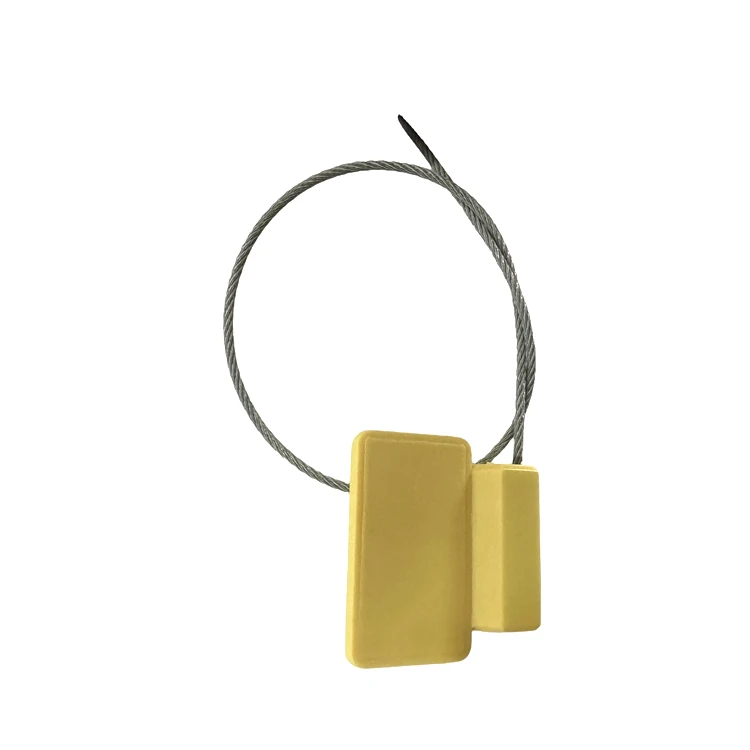
RFID seals are innovative devices that combine the security features of traditional seals with the data - capturing capabilities of RFID technology. These seals are equipped with an RFID tag, which can store and transmit information wirelessly. When applied to waste containers, they can provide real - time data about the waste, such as its origin, type, quantity, and movement throughout the waste management process.
There are different types of RFID seals available in the market. For instance, Plastic Tamper Evident Seals are popular due to their cost - effectiveness and durability. They are designed to clearly show if any tampering has occurred, ensuring the integrity of the waste container. RFID Plastic Seal is another option, which combines the flexibility of plastic with the advanced functionality of RFID. And Tamper RFID Seal Labels offer a more discreet yet effective way to track waste, especially for smaller containers or packages.

Benefits of Using RFID Seals in Waste Management Tracking
1. Enhanced Transparency
One of the primary advantages of RFID seals in waste management is the increased transparency they provide. Each seal can be programmed with unique identification information, allowing waste management companies, regulatory authorities, and other stakeholders to track the movement of waste from its source to its final destination. This transparency helps in preventing illegal waste disposal and ensures that waste is handled in accordance with environmental regulations.
For example, in a large - scale waste collection operation, RFID - sealed containers can be scanned at every transfer point, such as collection trucks, sorting facilities, and landfills. The data collected from these scans can be stored in a centralized database, which can be accessed by authorized personnel. This way, any discrepancies or unauthorized movements can be quickly identified and investigated.
2. Improved Efficiency
RFID technology enables automated data collection, which significantly improves the efficiency of waste management processes. Instead of manual record - keeping, which is time - consuming and prone to errors, RFID seals can be scanned within seconds. This allows waste management teams to process a larger volume of waste in a shorter period.
Moreover, RFID - enabled waste tracking systems can optimize collection routes. By analyzing the data from the seals, waste collection companies can determine the most efficient routes based on the location and fullness of the waste containers. This reduces fuel consumption, vehicle wear - and - tear, and overall operational costs.
3. Accountability
RFID seals help in establishing clear lines of accountability in waste management. Each seal can be associated with a specific waste generator, collector, or handler. In case of any environmental violations or issues related to waste disposal, it is easy to trace back the responsibility to the relevant party.
For instance, if a sealed waste container is found to contain hazardous waste that was not properly declared, the RFID data can reveal who was in charge of the container at each stage of the process. This encourages all parties involved in waste management to adhere to proper procedures and regulations.
4. Real - Time Monitoring
With RFID seals, waste management stakeholders can monitor the status of waste containers in real - time. They can receive alerts when a container is opened, moved, or reaches a certain fill level. This real - time monitoring allows for proactive decision - making, such as scheduling timely collections or addressing potential security threats.
For example, if a waste container in a sensitive area is opened outside of normal operating hours, an immediate alert can be sent to the relevant authorities. This helps in preventing unauthorized access and potential environmental damage.
Challenges and Limitations
While RFID seals offer numerous benefits for waste management tracking, there are also some challenges and limitations that need to be addressed.
1. Cost
The initial investment in RFID technology can be relatively high. This includes the cost of the RFID seals themselves, as well as the infrastructure required for data collection and management, such as RFID readers and software systems. For small - scale waste management operations, these costs may be prohibitive.
2. Environmental Conditions
Waste management often takes place in harsh environmental conditions, such as extreme temperatures, moisture, and exposure to chemicals. These conditions can affect the performance and durability of RFID seals. For example, high humidity can interfere with the RFID signal, or chemicals can damage the seal's components.
3. Data Security
As RFID seals collect and transmit sensitive data, ensuring data security is crucial. There is a risk of data breaches, which could lead to unauthorized access to information about waste sources, quantities, and movement. Adequate security measures, such as encryption and access controls, need to be implemented to protect the data.
4. Compatibility
Integrating RFID technology into existing waste management systems can be challenging. There may be compatibility issues between different RFID systems, as well as with other software and hardware used in waste management operations. Ensuring seamless integration requires careful planning and technical expertise.
Overcoming the Challenges
To overcome the challenges associated with using RFID seals in waste management tracking, several strategies can be adopted.
1. Cost - Sharing and Incentives
Government agencies and industry associations can play a role in reducing the cost burden on waste management operators. They can offer financial incentives, such as grants or tax breaks, to encourage the adoption of RFID technology. Additionally, cost - sharing models can be developed, where multiple stakeholders contribute to the investment in RFID infrastructure.
2. Robust Design
Manufacturers of RFID seals need to design products that are more resistant to environmental conditions. This can involve using materials that are waterproof, heat - resistant, and chemical - resistant. Additionally, advanced antenna designs can be developed to improve the signal strength and reliability in challenging environments.
3. Data Security Measures
To protect the data collected by RFID seals, waste management companies should implement comprehensive data security measures. This includes encrypting the data during transmission and storage, using secure authentication protocols, and regularly updating security software.
4. Standardization
Industry standards for RFID technology in waste management need to be developed. This will ensure compatibility between different RFID systems and make it easier for waste management operators to integrate RFID technology into their existing operations. Standardization can also help in reducing costs by promoting competition among RFID seal manufacturers.
Conclusion
In conclusion, RFID seals have great potential for use in waste management tracking. They offer enhanced transparency, improved efficiency, accountability, and real - time monitoring. However, to fully realize these benefits, the challenges related to cost, environmental conditions, data security, and compatibility need to be addressed.
As an RFID seal supplier, I am committed to working with waste management companies, regulatory authorities, and other stakeholders to develop solutions that overcome these challenges. Our RFID seals are designed to be durable, reliable, and cost - effective, and we can provide customized solutions to meet the specific needs of different waste management operations.
If you are interested in exploring how RFID seals can improve your waste management tracking processes, I encourage you to reach out to us. We can provide more information about our products, conduct a cost - benefit analysis for your operation, and offer a trial implementation. Let's work together to create a more sustainable and efficient waste management system.
References
- Smith, J. (2020). The Role of RFID Technology in Environmental Management. Journal of Environmental Science and Technology, 15(2), 89 - 98.
- Johnson, A. (2019). Waste Management Trends and the Impact of RFID. Waste Management Review, 22(3), 45 - 52.
- Brown, C. (2021). Challenges and Opportunities in Implementing RFID for Waste Tracking. International Journal of Waste Management, 18(1), 12 - 23.


